

 English
12 Healthy Habits for 2026
Make yourself a priority this year. Good health comes down to simple, repeatable habits. Here is a list of 12 health habits that will make a real difference to how you feel and how you age. These 12 high-impact habits are backed by public-health authorities and clinical evidence. Each habit is explained with a brief “why it matters” and a practical tip to help you begin.
Eat a Balanced, Mostly Whole-Food Diet
A diet rich in vegetables, fruits, whole grains, legumes, nuts, and lean proteins lowers the risk of heart disease, diabetes, and many cancers; limit processed foods, added sugar, salt, and industrial trans fats.[1] Start by filling half your plate with vegetables at one meal each day.[2]
Move Regularly (Aim for 150 Minutes per Week)
Moderate aerobic activity plus two weekly strength sessions reduces mortality, preserves mobility, and improves mood.[3] Choose to be active in your daily life: walk, take the stairs, park further away; or be creative and turn house work into a workout, plan family outings, join a team sport, dance, or skip. Find some activity you enjoy, and start with three sessions of 15 minutes per week, and increase progressively from there.
Prioritize Sleep (7–9 Hours for Most Adults)
Consistent adequate sleep supports memory, immune function, metabolic health, and emotional regulation.[4] Keep a regular sleep schedule and wind down electronics an hour before bed.
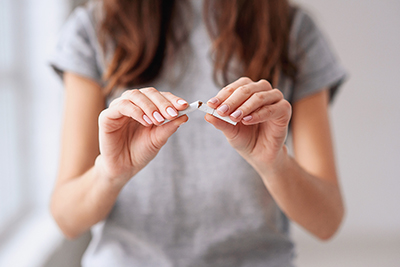
Don’t Smoke, and Avoid Second-Hand Smoke
Tobacco remains the leading preventable cause of disease and death. Quitting dramatically lowers the risk even if you’ve smoked for years.[5] Ask your health-care practitioner about proven cessation-support options. Although the majority of patients quit cold turkey, smoking cessation aids—such as nicotine patches and quit-smoking medicine—can significantly increase your chances of successfully quitting. Other helpful strategies include building a support system, setting a quit date, avoiding your triggers, and listing your reasons to quit.[6]
Limit Alcohol Intake
Excessive or binge drinking increases cancer, liver disease and injury risk.[7] If you drink, follow low-risk guidance: this means no more than 1 drink per day for women and 2 for men.[8] Remember that any amount of alcohol consumption can have risks to your health, but these guidelines help you reduce the short- and long-term effects of alcohol use. Strive to incorporate alcohol-free days each week or limit alcohol to social activities.
See Your Health-Care Practitioner Yearly
Regular check-ups and screening blood tests can detect vitamin and mineral deficiencies, allowing you to take action. Regular health screening can also detect serious health issues earlier, giving you a better chance with treatments.
Build Strong Social Connections
Loneliness and isolation are linked to an increased mortality risk comparable to smoking. Strong relationships enhance immune function and resilience. Participate in groups with shared interests—such as local classes, volunteer projects, or community clubs—to build meaningful connections.

Look after Oral Health
Neglecting oral hygiene allows plaque to build up along the gumline, irritating the gums and creating tiny periodontal pockets with microscopic tears in the tissue. These small openings let bacteria slip into the bloodstream, where they can fuel inflammation, which has been linked to heart disease, stroke, diabetes, respiratory infections, and pregnancy-related complications.[9] Brushing twice daily, flossing, and seeing your dentist regularly help keep the gums intact and reduce the bacterial load that drives this whole-body impact.[10]
Manage Stress and Support Mental Health
This is so important but too often neglected. Modern life is stressful but daily practices such as brief mindfulness, regular physical activity, sleep hygiene, a healthy diet, and social connection reduce chronic stress and lower risk of anxiety and depression.[11], [12] If you are overwhelmed, seek professional help from a psychologist or counselor, especially if your emotions interfere with daily life. You can also look at self-help books on stress management, join peer-support groups, start journaling, meditate, or use mental-health apps.

Hydrate Sensibly
Adequate fluid intake supports cognition, digestion, and physical performance.[13], [14] As a starting point, it’s recommended that women consume 2.7 L per day and men should consume 3.7 L—from all foods and drinks. Adjust according to levels of activity, heat, and health conditions. Sip regularly throughout the day and make sure that your urine remains clear or light in colour.[15]
Practice Good Hygiene
Regular handwashing with soap and water for at least 20 seconds reduces spread of common infections and protects vulnerable people.[16], [17] Use alcohol-based hand sanitizer when soap isn’t available.
Optimize Your Sun Exposure
During our Canadian winters, daylight is limited, and UVB levels are too low for meaningful vitamin D production; nevertheless, outdoor-light exposure remains essential for supporting mood and maintaining a healthy circadian rhythm. When the sun does appear, brief bare-skin exposure can help top up vitamin D. Year-round, longer periods outdoors still call for sensible sun safety—seeking shade when possible, wearing a hat and sunglasses, and using a mineral sunscreen when needed. Avoid indoor tanning, and rely on a vitamin D supplement to keep levels healthy through the darker months.
Chronic disease is now the leading cause of death and disability worldwide, but the path toward prevention starts with the everyday choices we make. Even small, steady shifts in your habits can create meaningful change over time. By prioritizing these core pillars of good health and committing to what’s realistically within your reach, you can build momentum day by day and month by month. Stay consistent, stay mindful, and by the time 2026 comes to a close, these simple choices will have become a sustainable, second-nature wellness routine—one that supports long-term vitality and wellbeing.
Dr. Ludovic Brunel, ND
Dr. Brunel has 15+ years of experience as a naturopathic doctor and practices in Calgary. His approach has always been to improve health outcomes by relying on the best research available.
setonwellness.com
References
[1] World Health Organization. Diet, nutrition and the prevention of chronic diseases: Report of a Joint WHO/FAO Expert Consultation. WHO Technical Report Series 916. Geneva: World Health Organization, 2003. Available from https://www.who.int/publications/i/item/924120916X.
[2] U.S. Department of Agriculture and U.S. Department of Health and Human Services. Dietary Guidelines for Americans, 2020-2025. 9th Edition. 2020. Available from https://www.dietaryguidelines.gov/resources/2020-2025-dietary-guidelines-online-materials.
[3] F.C. Bull, S.S. Al‑Ansari, S. Biddle, K. Borodulin, M.P. Buman, G. Gardon, C. Carty, et al. “World Health Organization 2020 guidelines on physical activity and sedentary behaviour.” British Journal of Sports Medicine 54, no. 24 (2020): 1451–1462.
[4] M. Vandekerckhove and Y.‑L. Wang. “Emotion, emotion regulation and sleep: An intimate relationship.” AIMS Neuroscience 5, no. 1 (2017): 1–17.
[5] R. West. “Tobacco smoking: Health impact, prevalence, correlates and interventions.” Physiology & Health 32, no. 8 (2017): 1018–1036.
[6] “Quitting is possible.” Canadian Cancer Society, accessed 2025‑11‑07, https://cancer.ca/en/cancer-information/reduce-your-risk/live-smoke-free/quitting-is-possible.
[7] World Health Organization. Alcohol drinking. IARC Monographs on the Evaluation of Carcinogenic Risks to Humans, Volume 44. Lyon: International Agency for Research on Cancer, 1988, available from https://publications.iarc.who.int/62.
[8] “Low-risk alcohol drinking guidelines.” Government of Canada, accessed 2025‑11‑07, https://www.canada.ca/en/health-canada/services/substance-use/alcohol/low-risk-alcohol-drinking-guidelines.html.
[9] D. Fu, X. Shu, G. Zhou, M. Ji, G. Liao, and L. Zou. “Connection between oral health and chronic diseases.” MedComm 6, no. 1 (2025): e70052.
[10] T. Attin and E. Hornecker. “Tooth brushing and oral health: How frequently and when should tooth brushing be performed?” Oral Health & Preventive Dentistry 3, no. 3 (2005): 135–140.
[11] M. Briguglio, J.A. Vitale, R. Galentino, G. Banfi, C.Z. Dina, A. Bona, G. Panzica, M. Portam B. Dell’Osso, and I.D. Glick. “Healthy Eating, physical activity, and sleep hygiene (HEPAS) as the winning triad for sustaining physical and mental health in patients at risk for or with neuropsychiatric disorders: Considerations for clinical practice.” Neuropsychiatric Disease and Treatment 16 (2020): 55–70.
[12] A.L. Mizzi, A.D. Karelis, and J.J. Heisz. “Physical activity and mindfulness are associated with lower anxiety in different but complementary ways.” International Journal of Exercise Science 15, no. 7 (2022): 1075–1084.
[13] H. He, J.F. Zhang, N. Zhang, S. Du, S. Liu, and G. Ma. “The influence of fluid intake behavior on cognition and mood among college students in Baoding, China.” Annals of Nutrition & Metabolism 76, suppl. 1 (2020): 63–64.
[14] B.M. Popkin, K.E. D’Anci, and I.H. Rosenberg. “Water, hydration, and health.” Nutrition Reviews 68, no. 8 (2010): 439–458.
[15] A.L. McKenzie, C.X. Muñoz, and L.E. Armstrong. “Accuracy of urine color to detect equal to or greater than 2% body mass loss in men.” Journal of Athletic Training 50, no. 12 (2015): 1306–1309.
[16] J.M. Boyce. “Hand hygiene, an update.” Infectious Disease Clinics of North America 35, no. 3 (2021): 553–573.
[17] World Health Organization. Global report on infection prevention and control. Geneva: World Health Organization, 2022. Available from https://iris.who.int/bitstream/handle/10665/354489/9789240051164-eng.pdf?sequence=1.
